Why Does Lighting Make Such a Big Difference in Interior Design?

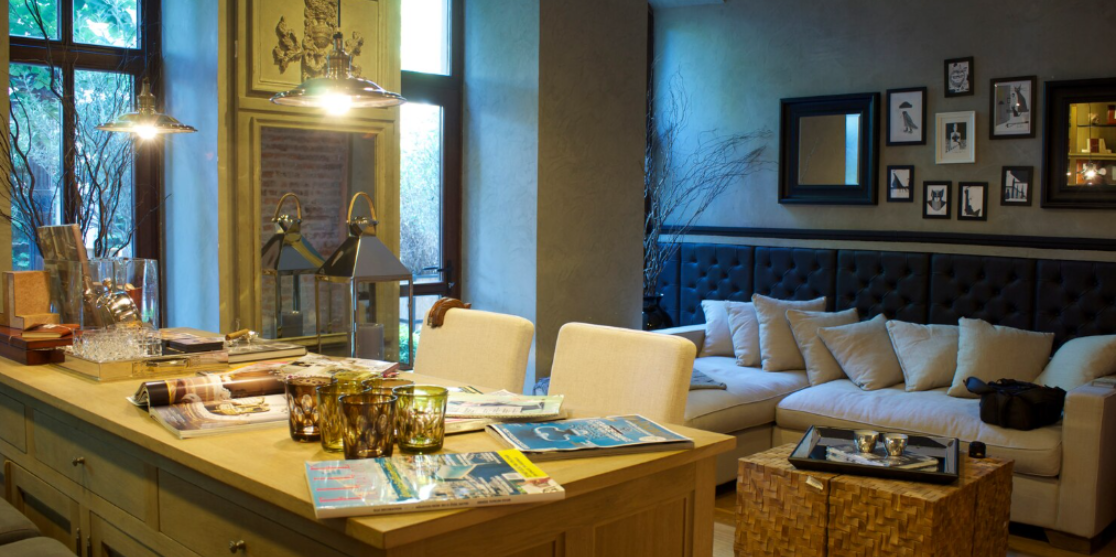
Lighting not only enables us to achieve the desired emotional or psychological effect within the house, but it also plays a significant role in how we perceive an area.
Lighting not only enables us to achieve the desired emotional or psychological effect within the house, but it also plays a significant role in how we perceive an area. It even has a direct impact on our sense of space and time. One of the most critical aspects of the day, in terms of ornamental lighting, is when sunlight passes through the atmosphere and is spread across the room. The proper lighting can help the room feel lively and warmly inviting, rather than flat and unattractive. Natural light and artificial lighting together influence the way people perceive and interact with their surroundings, both on a conscious and subconscious level.
The Psychological Impact of Lighting
Light, whether artificial or natural, that is too bright can cause physiological changes, and it is unlikely that you will enjoy the space. However, cool-white illumination is ideal for offices because it mimics daylight, promoting a high level of alertness and cognitive function. On the other hand, warm light that is soft and dim is very calming because it will not affect sleep. You can also use lighting to influence the mood of any room; a well-lit living room can feel significantly different from a poorly lit one. High-quality white light enhances productivity in the brain and supports the body's circadian rhythm.
Types of Lighting and Their Applications
There are three principal layers of lighting in a harmonious lighting design, which, when used together, provide the desired illumination. The foundation of ambient lighting is what gives the space its general illumination. Ceiling fixtures, chandeliers, or recessed lights facilitate this. It is used to determine the overall light level and provides sufficient light for moving around the house safely. Task lighting provides light to the area where activity is happening, such as under-cabinet lights for food preparation or reading lamps by chairs. This layer's primary concern is the position of the light source, which should be adjusted to avoid causing shadows and glare. The final type is accent lighting, which operates by bringing out the texture of the lighting design, creating visual attention by focusing on home elements, or illuminating architectural features. When applied in the correct ratio, these three layers are capable of providing a visually appealing interior space that is also functional and versatile in its use over time.
Daylight and Artificial Light
Regarding interior design, natural light is the leading source of the best light, available throughout the day and night, as it consistently brings quality to the space. Northern light is the best spot, to be exact, for one who needs soft light that is evenly distributed across space, hence a fitting light scenario for any office type of space, the south-facing natural light source is a right spot because it gives intense light that is suitable for a living room, and contrary to that, it may not be an ideal light for a workspace since the overly illuminated space is not conducive to work, besides, winter is not the sunniest of seasons). However, relying solely on natural light creates various issues, such as seasonal changes, weather fluctuations, and the building's orientation - these factors can be a barrier to the availability of natural light. Hence, natural light is the most ideal for interior lighting, while artificial lights can be a solution for filling in the light when natural light is low. These elements become planning tools that, when well orchestrated, facilitate the entrance of light and shadow through windows. The most agile drive of it is solar light regulators, which involve light shelves and sunlight collector equipment, and they are entirely operated in the best habitual and obliging light situation of a non-cloudy day and a non-peak-hour, the light can even spread as far as the duct goes without any fraction of the interior shadowing it..
Choosing the Appropriate Light Fixtures
Lighting serves two purposes: it is valuable and also acts as a decorative element. The fixture scale must be proportional to the room's size. An oversized chandelier is too much for a small space, but a smaller lamp will make the large room look empty. Having consistency in style is also crucial; for instance, modern track lighting in traditional interiors would not blend well, and the same applies to crystal chandeliers in industrial lofts. Considering the fixture's material and finish, polished metals allow light to reflect, creating a brilliant effect, while matte finishes produce a softer effect instead. The hanging length of a fixture significantly determines whether a light source will be effective. In most cases, dining pendants are hung at a height of 30-36 inches above tables, and vanity lights should be placed at eye level. The most intelligent fixtures are those that combine the most suitable design with the most useful functionality, enhancing both lighting and decoration.
Lighting Methods for Diverse Spaces
Lighting should be set according to different room types, as they have other primary functions. The living rooms can be used for various purposes by providing flexible lighting schemes, such as dimmable overheads, adjustable floor lamps, and accent lighting. Kitchens can use bright light without shadows, both on the working surface and on the ceiling, as task lighting. The bedrooms should have adjustable or layered lighting, such as bedside reading lamps, soft ceiling lighting, and optional accent lights for dressing areas. The bathrooms are the rooms that can benefit from even and good lighting around the mirrors, combined with overhead water-resistant lights. The workrooms require task lighting that prevents eye strain and does not glare excessively, which means that sufficient ambient light should also be available. The corridors not only need lighting to welcome people and guide them safely, but the light should also be strong enough to make a good impression.
The Significance of the Color Temperature
Color temperature, which is rated in degrees Kelvin (K), is a significant influencer of a room's ambiance. Warm white (2700 K- 3000 K) creates a pleasant, intimate mood, ideal for dwellings. Cool white (3500 K- 4100 K) has an awakening effect on those working or shopping. Daylight (5,000K- 6,5000 K) is suitable for demanding tasks, such as those in a workshop. The very same room can change entirely by using different color temperatures - a kitchen can be very sharp and effective with 4000K, but very warm and inviting with 3000 K. The newest LED technology now allows for a variable color temperature in one fitting, enabling visitors to adjust and adapt throughout the day. They simply request the exact temperature across fixtures to prevent confusion for the eyes, although they can decide to mix them near the open space plan.
Impelling Lighting and Upcoming Tendencies
The light technology has come a long way from simple on-off switches. Intelligent systems, for instance, have made it easy to control the lights through the spoken word, by scheduling, or even when you are not at home, using a smartphone. People no longer need to be in the color temperature of a particular place throughout the day, as tunable white lighting can be of great help in maintaining the body's rhythm. To improve mood-setting, we have RGBW LEDs, which can change to any color at any given time. The term "human-centric lighting" refers to a design concept in lighting, where the needs of humans are given priority over all other concerns, to the extent of mimicking natural light patterns to be most beneficial to human health. Solar-powered light fittings that are environmentally friendly are a perfect example of sustainable solutions that not only preserve the planet but are also pocket-friendly. Li-Fi, a wireless optical networking technology that utilizes light-emitting diodes (LEDs) for data transmission, and OLED lighting panels that can also serve as decorative surfaces, are emerging as future technologies. Such advancements are indicative of a trend in lighting systems becoming smoother, more flexible, and healthier, while also allowing for unparalleled creative freedom.
Conclusion
Light is the most crucial factor in interior design, which can change the space not only functionally but also visually and emotionally in a drastic way. A well-designed lighting system requires an understanding of the psychological impact, technical devices, and the artistic exploration of light. The best designs harness the power of nature and the strength of technology, filling the space with layers — ambient, task, and accent —according to the specific needs of each space. Lighting extends beyond its mere functions, deeply exploring the relationship between light, objects, space, and emotions. A system that can deal with continuously changing demands and seasons, without missing the chance to be reconfigured to facilitate a myriad of activities and satisfy different moods. The level of quality space is often dependent on the most inconspicuous of lighting elements - the placement of the lamp next to the book, the concentrated display of artwork, or the exact right color temperature, which is pleasant for the room. Currently, the development of lighting technology is transforming traditional lighting from a static medium to an energy-efficient and versatile lighting platform that is very human-centric. However, these essential rules remain in effect. Good lighting should not be just one of the scene's nice-to-have traits, but also a feature that enhances the space, improving ease of use, appearance, and versatility for diverse purposes.