What's the Best Way to Treat Acne Without Harsh Chemicals?

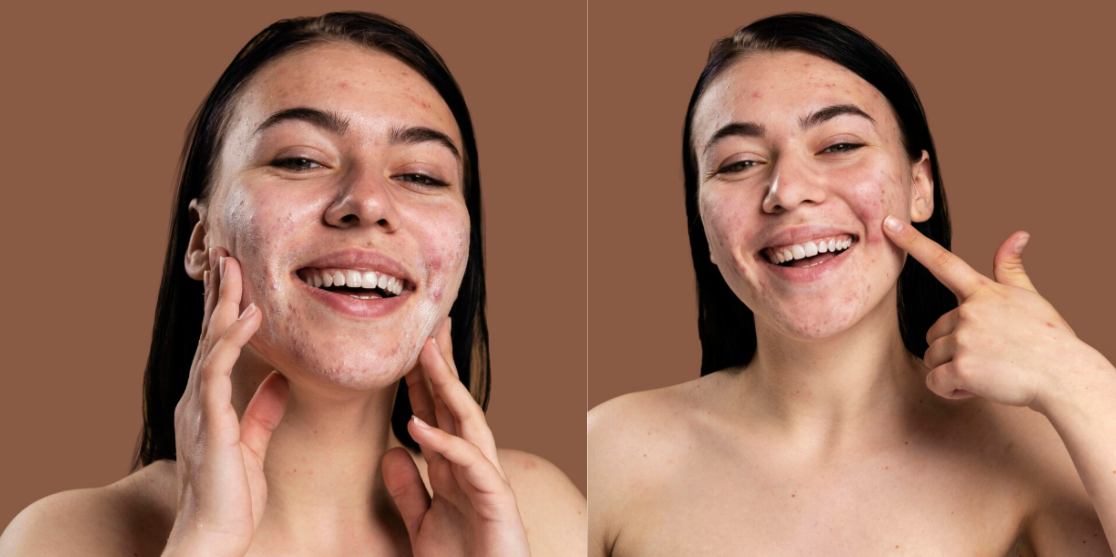
Millions of people worldwide develop acne, and most known remedies are based on very aggressive chemicals that can cause the skin to dry out and be damaged in the long run.
Millions of people worldwide develop acne, and most known remedies are based on very aggressive chemicals that can cause the skin to dry out and be damaged in the long run. Many individuals are now seeking more gentle, natural ways of doing things, rather than fighting against their skin. The secret to treating acne on the skin is to recognise the leading causes of the disease, such as hormonal imbalances, inflammation, bacterial overgrowth, and clogged pores, and to help the skin stay healthy in all possible ways.
The good news is that natural solutions promote the replenishment of natural protective moisture layers, the features of natural treatments are the absence of aggressive procedures that deprive the skin of its natural moisture barrier, in favor of returning this lost balance using a combination of selected natural plant-derived active compounds, corrective eating habits, and thoughtful skin care routines. The approaches acknowledge that acne usually reflects internal imbalances that are reflected on the skin. Although they may require a little more time to demonstrate effects compared to conventional drugs, natural methods result in more permanent, clearer skin without the side effects of extreme dryness, redness, or sun hypersensitivity.
1. Plant Extracts & Plant-Based Treatment
Some of the best acne-combating compounds are also found in nature, without any synthetic additives. An example is tea tree oil, which contains terpinene-4-ol and fights acne bacteria, as well as benzoyl peroxide, yet in a more non-irritating manner. Similarly, the polyphenols contained in green tea extract help fight sebum production as well as inflammation. Additionally, witch hazel is a mild astringent that reduces pore size.
These plant-based remedies work in synergy with your skin's microbiome, rather than disrupting it. Most plant extracts contain more than one active compound that acts against acne on multiple fronts - killing bacteria, damping inflammation, and normalising oil production all in a single stroke. Their multi-target effect tends to make them superior to single-ingredient drug treatments for mild to moderate acne.
Other recent research has been emerging regarding ingredients such as liquorice root extract (which reduces post-acne marks) and pantothenic acid (which helps regulate sebum production). The concentrations should also be considered when developing various natural acne treatments, as they may not be effective when too low or irritating to the skin when too high. The skincare formulas that contain the most botanical actives are most successful at a concentration of between 2% and 10%.
- Spot treatment using tea tree oil (5-10 % dilution)
- Green tea toner to minimise the feeling of oiliness and redness
- Niacinamide serums (4-5%) control the production of sebum
- Aloe vera gel prevents inflammation and heals
- Manuka honey masks combat bacteria with moisturising
- Zinc supplementation (30-50mg per day) decreases breakouts
- Hormonal acne is balanced by evening primrose oil
2. Healthy Eating to Help Clear Skin
Your diet plays a significant role in the development of acne. High-glycemic foods, such as dairy, can raise your insulin levels, thereby elevating sebum production and inflammation. On the other hand, anti-inflammatory foods that help settle down acne can be consumed in conjunction with zinc, omega-3s, and antioxidants. Fermentation can introduce beneficial bacteria, which may enhance the gut-skin axis. Keeping the skin hydrated also helps prevent the detoxification system in the skin.
Gut skin is especially relevant in the treatment of skin acne. A deficiency of the rightful bacteria in the gut may result in systemic inflammation, which is reflected in skin breakouts. The addition of prebiotic fibres and probiotic foods can provide this balance in an all-natural way. On the same note, specific nutrients, such as zinc and vitamin A, are essential for skin healing and sebum production, which cannot be replaced with medication.
Another important dietary factor is managing blood sugar levels. Blood glucose excess causes a chain reaction of hormones that may overestimate the activity of oil glands. A diet rich in balanced meals containing sufficient protein, healthy fats, and fibre helps stabilise the level of glucose in the blood. Individual responses vary greatly, but some people achieve excellent results by eliminating specific food triggers, such as dairy, gluten, or high-histamine foods.
- Cut out dairy (and its trigger of breakouts, IGF-1)
- Eliminate/minimise sugar/refined carbohydrates to normalise blood sugar
- More omega-3 (flaxseeds, walnuts, salmon)
- Eat probiotic food (kimchi, kefir, sauerkraut)
- Consume spearmint tea (reduces androgen-induced hormonal acne)
- Consume food containing zinc (pumpkin seeds, lentils, oysters)
- Drink plenty of minerals, all-natural infusions, and electrolyte water
3. Kind to skin ritual
Acne is exacerbated over time by harsh cleaners that disrupt the skin's acid mantle. A gentle regimen is more pH-balanced (5.5), non-comedogenic, and moisturising, utilising chemical exfoliants such as lactic acid that dissolve dead skin cells instead of scrubbing. The oil is used to cleanse the skin without dehydrating, before applying a clay mask to normalise the oil level.
Acne-prone skin needs to be aware of the concept behind the idea of 'less is more'. The barrier of the skin can be compromised through over-cleansing or using too many active ingredients, which may result in hypersensitivity and subsequent rebound oiliness. The skin rebalances itself through the use of a simplified routine and a properly chosen selection of products. One can protect in the morning (bring on the antioxidants, SPF) and repair and renew at night.
Chemical exfoliation needs a special mention when it comes to acne treatment. AHAs and BHAs will irritate active breakouts, just like physical scrubs, but work gradually by cleaning out pores, exfoliating, and encouraging new cell growth. BHA Salicylic acid is especially effective because it can reach even the innermost parts of oil glands, whereas an AHA, such as mandelic acid, offers antibacterial benefits with less overdrying. These must be applied slowly; initially, apply 1-2 times per week.
- First cleanse with oil (jojoba or hemp seed oil)
- Take a bath using warm water (because hot water would cause inflammation)
- Use BHA (Salicylic acid) 2-3 times a week on the pores
- Hyaluronic acid Hydrate dry skin produces too much oil
- Smooth (3-10 per cent decreases lesions non-abrasively) spot treating with sulfur
- Use a non-comedogenic SPF every day (zinc oxide-based)
- Change pillow cases 2-3 times per week to avoid the transfer of bacteria
4. Lifestyle Modifications
Cortisol and inflammatory markers interact with stress management and sleep quality in a direct way, which can lead to the development of acne. Not getting enough sleep leads to an increase in stress hormones, which can cause breakouts. Additionally, toxins in traditional cosmetics and clothing products can block pores. A frequent exercise leads to better circulation, which needs to be cleansed quickly.
Mind-skin is very mighty in the treatment of acne. When subjected to stress, the body produces more sebum and inflammatory cytokines, which aggravate pre-existing breakouts and increase susceptibility to new ones. Topical USA is often as important as the frequent stress-reduction practices that should be incorporated by people affected by stress-related acne. Even mundane breathing exercises or momentary meditations can be effective in reducing cortisol levels considerably.
Another essential aspect that cannot be ignored in the treatment of acne is sleep. During deep sleep, growth hormones are produced by the body, which plays a role in repairing skin damage and controlling oil production. Various studies have underlined the direct relationship between poor sleeping patterns and the severity of acne. Developing a relaxing bedtime ritual and maximising sleep quality (in a cold, dark, and silent environment) should help clarify skin.
There is also an environmental factor. Pores may be blocked by synthetic materials, rough cotton in the washing machine, and even polluted air. Natural fibre bedding and clothing, fragrance-free detergents and prevention of pollution on our skin are all ways of minimising the causes of acne.
- Reduce stress (meditation has a 20 per cent effect on cortisol)
- Sleep (7-8 hours), the skin repairs during deep sleep time
- Natural fibre clothing (bamboo/cotton: polyester)
- Do some exercise daily (it improves blood flow), but take a shower afterwards.
- No face touching (moves faces, etc, and spreads bacteria and oils)
- Wear fresh cosmetics (mineral products not containing dimethicone)
- Control PCOS/hormones when the causative problem
Natural acne treatments are slow but effective in the long term, helping to treat the condition by addressing its causes, rather than just its symptoms. A synergistic combination of botanical actives, anti-inflammatory nutrition, gentle skincare, and stress-reducing habits is often lacking in conventional treatment. Although the worst cases of acne may continue to require medical treatment, the beauty of these natural remedies is that the majority of mild to moderate cases respond perfectly to them. The natural solution acknowledges that clear skin is the result of overall body health, rather than topical therapies. The skin requires 4-6 weeks to rebalance itself, so positive results may not be noticeable immediately; however, they tend to last longer overall. It can be beneficial to maintain a diary of your skin to identify your triggers and determine the most effective treatments. Keep in mind that this is normal, and occasional outbreaks are expected, especially during times when hormones are changing. They should aim for easy-to-manage, comfortable skin and not be perfectionists. Even as you make these changes, you may find not only that your acne is healing, but your skin is also getting healthier, stronger, and brighter.