What Are the Best Foods for Healthy Hair Growth?

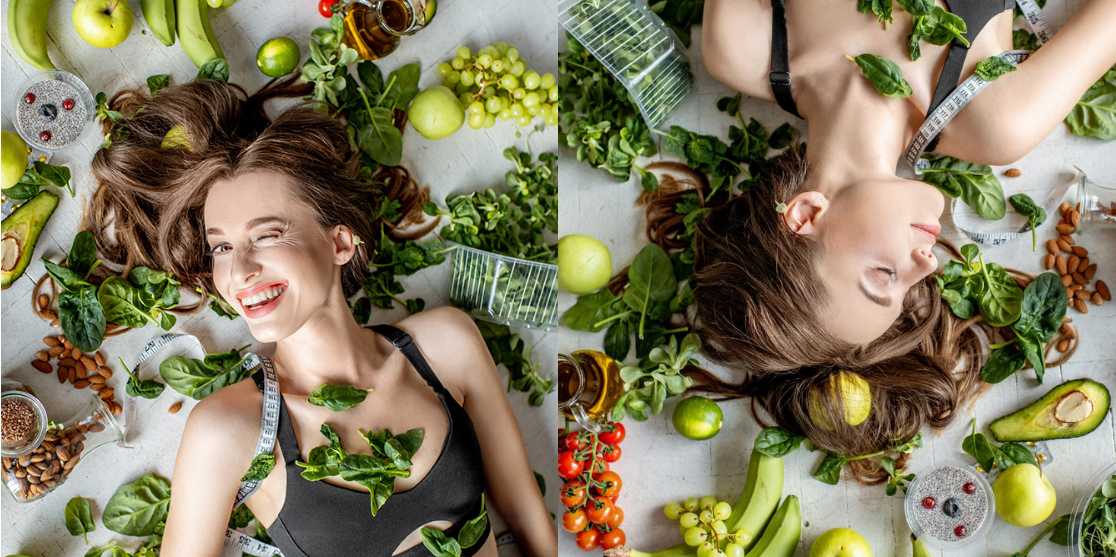
The first step to having healthy hair is nutrition- what you put in your body has a direct effect on the strength of the follicles, hair growth stage, and lustre.
The first step to having healthy hair is nutrition- what you put in your body has a direct effect on the strength of the follicles, hair growth stage, and lustre. Although topical care is proper, the secret to complete and healthy hair starts with a well-balanced diet full of proteins, vitamins, and minerals that promote the production of keratin and a healthy scalp. Thinning and breakage due to low levels of minerals such as iron, biotin, and zinc may occur. In this text, the author will focus on four classes of hair-growth superfoods and how each contributes to thicker and stronger hair. Reacting to postpartum shedding, simple thinning that comes with age, or simply wanting healthier hair, these nutritionist-verified favourites can reverse the changes in your hair, inside and out. And you will know which nutrients to focus on and how you can simply add them to your daily meals so that your hair is as healthy as possible.
1. Keratin-Producing Foods that are Rich in Proteins
The bulk of hair is composed of the protein called keratin, which is, in turn, dependent on sufficient amino acids in your diet. Biotin and cysteine (a sulfur-containing amino acid that is essential in the structure of keratin) can be found in eggs, mainly. Greek yoghurt is a source of proteins and probiotics, which can minimise inflammation at the scalp level, causing hair loss. Studies conducted in the recent past note the significance of specific amino acids, such as L-lysine, that help increase iron uptake, which is also another factor that plays an essential role in hair growth. The amino acids of eggs and cruciferous vegetables are especially treasured because they are the sulfur-based amino acids that take part in producing the disulfide bonds that bring strength and elasticity to hair. When you add more protein food sources to your diet plan, you provide your body with everything it requires to construct numerous building blocks that are vital in producing hair.
- Eggs (polar + selenium to maintain the health of the follicle)
- Greek yoghurt (vitamin B5 + protein)
- Lean chicken (iron + zinc transporting oxygen)
- Lentils (Plant protein + folate)
- Secreted nuts/seeds (cysteine + vitamin E)
- Bone broth (collagen glycine)
- The spirulina (whole food plant protein + copper)
2. Scalp health and omega-3 Fatty Acids
They inhibit inflammation, which interferes with hair growth by keeping the scalp hydrated. A type of fatty fish, such as salmon, is a source of DHA and EPA, which provide stronger hair shafts, and chia seeds contain plant-based ALA. A healthy scalp implies improved delivery of nutrients to the follicles. The unique thing about omega-3s is that they not only provide nourishment to the hair on the inside but also the outside perspective. As one takes them regularly, they are integrated into the body cell membranes, including those located on the scalp and in the hair follicles. It makes it more elastic and shiny with less breakage. To achieve the best outcomes, it is desirable to balance omega-3 fatty acids and omega-6 fatty acids because the modern diet has become too heavily weighted towards inflammatory omega-6 fatty acids.
- Wild salmon (EPA/DHA+astaxanthin)
- Chia seeds ALA omega-3 + fibre
- Walnuts (omega-3 + melatonin to lubricate the growth cycles)
- Flaxseeds (lignans to calm the hormones)
- Sardines (omega-3 + vitamin D)
- Omega-3 to omega-6 ratio of hemp hearts (needs to be 3:1)
- Algal oil (plant-based alternative to DHA/EPA)
3. Traditional Foods Which are Rich in Iron and Zinc to Support the Follicles
One of the causes of hair loss, especially among women, is iron deficiency. Zinc controls the oil bust and stimulation of cell repair in the follicles. To maximise the absorption, combine plant-based sources of iron (spinach) with vitamin C (bell peppers). Oysters contain the highest amount of natural zinc in a serving. The role of Zinc regarding hair is also vital. The mineral contributes to DNA/RNA synthesis and hence the fast-growing cells in hair follicles. Another way in which zinc is essential is that it keeps the oil glands in the follicles present in such a way that they are not too oily and not too dry. But one should be careful not to be overloaded with zinc, as it would lead to the loss of hair, so food sources are preferable to supplements, unless the deficiency is established.
- Oysters ( zinc + selenium )
- Spinach (non-heme iron + folate)
- Grass-fed beef (heme iron + B12)
- Decorah Pumpkin Seeds ( zinc + magnesium )
- Quinoa (iron + full protein)
- Iron + biotin Lentils
- Dark chocolate (iron + copper)
4. Damage Protection Foods that are Rich in Antioxidants
Blueberries, sweet potatoes and avocados also have antioxidants, which fight the free radicals of UV rays and pollution (both of which weaken the structure of the hair). Vitamin C in oranges helps in the production of stronger strands of collagen, and vitamin E in almonds helps to avoid oxidative stress. Special mention should be given to the ability of vitamin C to promote the production of collagen, hence hair health. The structure of the hair follicles is built around collagen, as well as the connective tissue around it. Collagen also decreases as we get older, and this may cause weak, thin hair. In addition to facilitating the production of collagen, the vitamin C supplement helps boost the absorption of iron, doubling its essentiality in hair growth. On the same note, vitamin E enhances the circulation of the scalp, which ensures optimum nourishment of the follicles.
- Blueberries (anthocyanins- vitamin C)
- Beta-carotene (turns into vitamin A), Sweet potatoes
- Avocados (vitamin E- healthy fats)
- Bell peppers (collagen, vitamin C)
- Almonds (vitamin E + magnesium)
- Green tea L-ippolighlygmic decreases DHT)
- Brazil nuts (selenium of antioxidant enzymes)
The key to beautiful hair starts on the inside. When you include these protein, omega-3, mineral, and antioxidant-filled foods frequently, you give follicles the material to grow thicker, faster hair. The improvement usually becomes evident after 2-3 months of regular dietary adjustments, the period of time when new growth can be observed. To achieve maximum benefits, this dietary regimen should be accompanied by such mop-ups as scalp massage (which increases blood supply) and hair care (and associated care). Individuals with severe hair loss must visit a physician to eliminate the chances of false conditions, such as thyroid or PCOS. Keep in mind that no quick fix solution can be had with regards to hair growth, and that one must exercise patience, but it will be worth the wait as the desired effect is long-lasting.