The Complete Home Backup Power System: Choosing the Right Station for Every Situation

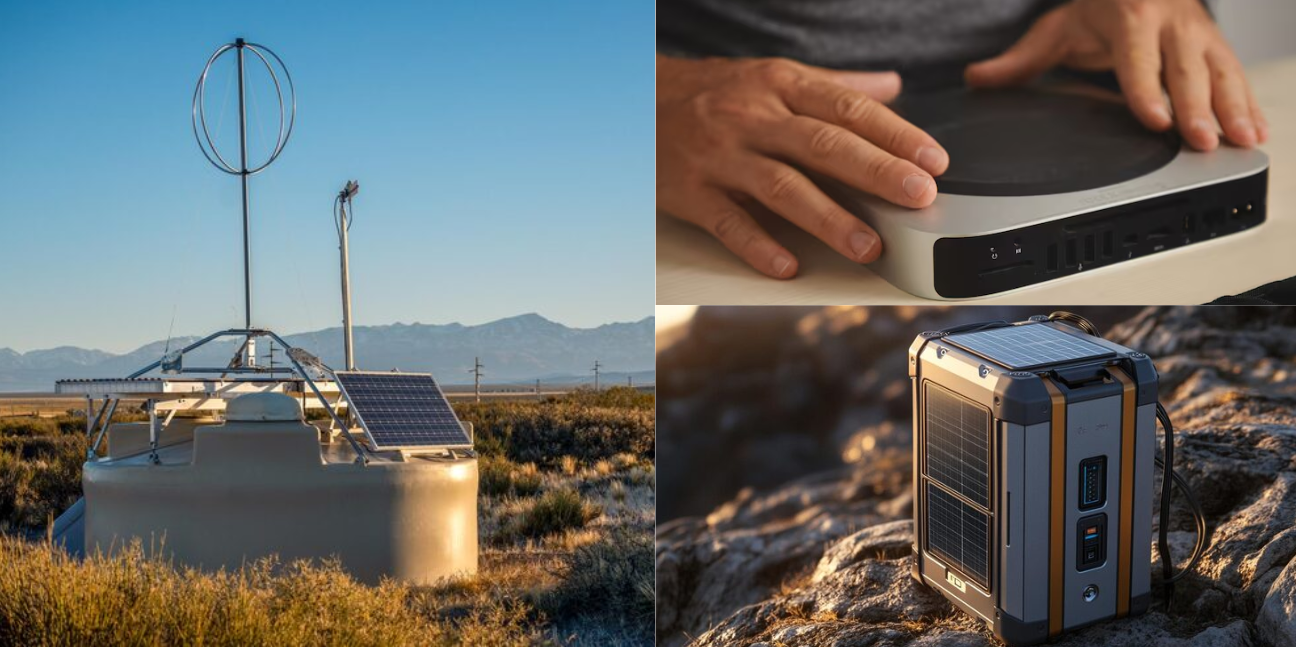
Power outages are no longer rare inconveniences. From extreme weather to overloaded grids, unexpected blackouts are becoming a common part of modern life.
Introduction
Power outages are no longer rare inconveniences. From extreme weather to overloaded grids, unexpected blackouts are becoming a common part of modern life. For homeowners, remote workers, and families alike, losing power can disrupt productivity, safety, and comfort within minutes.
The solution is no longer limited to bulky generators or expensive installations. Portable power stations have emerged as a flexible, quiet, and efficient way to maintain control during outages. But choosing the right system is not about buying the biggest unit available. It is about understanding your needs and building a layered backup strategy that works for your lifestyle.
This guide will walk you through how to create a complete home backup power system using three tiers of portable power: high-demand, mid-level, and essential. By the end, you will know exactly which type of station fits your situation and how to combine them for maximum reliability.
Understanding Power Outages and Energy Independence
Power outages can last anywhere from a few minutes to several days. Short outages may only require keeping your phone charged and internet running. Longer disruptions demand more serious solutions such as powering refrigerators, medical devices, or heating systems.
Energy independence means reducing your reliance on the grid and having a backup plan that ensures continuity. A well-designed system does not just react to outages; it anticipates them. Instead of scrambling for solutions in the dark, you maintain a steady power supply across essential areas of your home.
Portable power stations are ideal for this purpose because they are silent, require no fuel, and can be used indoors safely. Many models also support solar charging, allowing you to generate power even during extended outages.
Why a Tiered Backup System Works Better Than One Device
One of the most common mistakes people make is assuming a single power station can handle every situation. While high-capacity units are powerful, they are not always the most efficient or practical for every need.
A tiered system divides your power usage into three categories:
- Full home or high-demand usage
- Essential daily usage
- Minimal emergency usage
- This approach ensures that you are not overusing a large unit for small tasks or underpowering critical appliances when it matters most. It also provides redundancy. If one unit is depleted or unavailable, another can take over.
Think of it as building layers of protection rather than relying on a single point of failure.
High-Demand Home Backup: Powering Your Core Appliances
For households that want to maintain near-normal living conditions during an outage, a high-capacity power station is the backbone of the system.
This level is designed to handle major appliances such as:
- Refrigerators
- Microwaves
- Washing machines
- Power tools
- Heating or cooling devices
A high-demand unit, such as a 2800W-class power station with large battery capacity, is capable of supporting multiple devices simultaneously. These units are often expandable, allowing you to increase battery capacity over time.
The advantage of this tier is stability. During extended outages, you can keep food from spoiling, maintain indoor comfort, and continue essential household routines.
Another important feature at this level is fast charging and high solar input capability. This allows you to recharge quickly when grid power returns or maintain energy flow through solar panels.
However, high-demand stations are typically heavier and more expensive, which is why they are best used as the central hub rather than the only solution.

Mid-Level Backup: Balancing Power and Flexibility
The mid-level tier is where most households find the best balance between performance and practicality.
This level is ideal for:
- Remote work setups
- Internet routers and networking equipment
- Laptops and monitors
- Televisions
- Small kitchen appliances
A mid-capacity power station around 2400W with substantial battery storage provides enough power to keep daily life moving without the bulk of a full-scale unit.
This is particularly useful for people working from home. Losing power during a workday can mean lost productivity, missed meetings, or disrupted communication. A mid-level station ensures continuity without overcommitting resources.
Another advantage is portability. These units are easier to move around the house or even take outdoors, making them versatile for both emergency and lifestyle use.
In many cases, this tier becomes the most frequently used part of your backup system because it handles everyday needs efficiently.
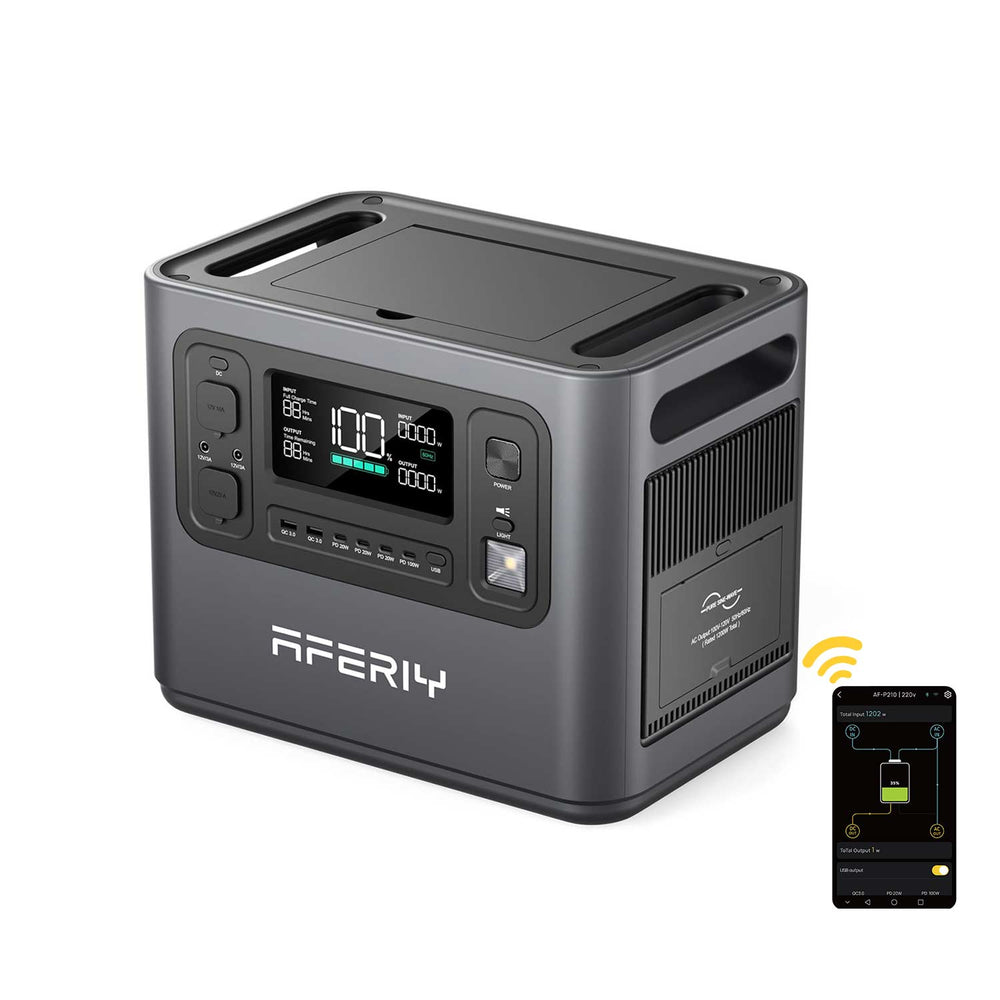
Emergency Essentials: Staying Powered in Critical Moments
The third tier focuses on minimal but critical power needs. This is your safety net during short outages or when conserving energy is essential.
This level typically powers:
- Smartphones
- LED lights
- Small fans
- Radios
- Medical devices like CPAP machines
A compact power station around 1800W or lower capacity is perfect for this role. It is lightweight, easy to store, and quick to deploy.
The purpose of this tier is not comfort but survival and communication. When everything else is down, this unit ensures you stay connected and safe.
It is also the most portable option, making it ideal for quick evacuations, outdoor use, or backup in different areas of your home.

Real-Life Appliance Scenarios
To understand how these tiers work together, it helps to look at real-life examples.
Imagine a sudden power outage in the evening.
Your high-demand unit keeps the refrigerator running and powers essential kitchen appliances. Meanwhile, your mid-level station supports your Wi-Fi router and laptop, allowing you to continue working or streaming. At the same time, your essential unit keeps phones charged and provides lighting in different rooms.
Now consider a longer outage lasting several days.
You prioritize usage. The high-demand station is used intermittently for heavy appliances. The mid-level unit becomes your primary source for daily activities. The essential unit ensures communication devices are always powered.
This layered approach prevents overloading a single device and extends your total available energy.
Building Your Backup System Step by Step
Creating a complete home backup system does not require buying everything at once. A phased approach works best.
Start by identifying your most critical needs. For many households, this means communication devices and lighting. This is where an essential power station comes in.
Next, expand to a mid-level solution that supports work, entertainment, and basic appliances. This adds comfort and functionality to your setup.
Finally, invest in a high-demand unit to cover heavy appliances and long-term outages. This completes your system and provides full protection.
This step-by-step method allows you to spread out costs while gradually increasing your energy independence.
Solar Integration and Long-Term Sustainability
One of the biggest advantages of modern power stations is their compatibility with solar panels.
Solar integration allows you to recharge your system without relying on the grid. During extended outages, this can be the difference between running out of power and maintaining a continuous supply.
High-demand units often support higher solar input, making them ideal for full home backup. Mid-level units can also benefit from solar charging, especially for daytime use.
Even essential units can be paired with small solar panels for emergency charging.
This not only improves resilience but also reduces long-term energy costs and environmental impact.
How to Choose the Right Station for Your Needs
Choosing the right power station depends on three main factors:
Power output determines what devices you can run simultaneously. Higher wattage supports larger appliances.
Battery capacity determines how long you can run those devices. Larger capacity means longer runtime.
Portability determines how easily you can move and use the station in different scenarios.
If your priority is full home backup, focus on high output and large capacity. If you need flexibility and daily usability, a mid-level unit is ideal. If you want a simple emergency solution, a compact unit is enough.
Most households benefit from combining all three tiers rather than relying on a single device.
Common Mistakes to Avoid
Many users underestimate their power needs. Running a refrigerator or microwave requires more wattage than expected. Always check appliance ratings before choosing a station.
Another mistake is ignoring runtime. A powerful station may run devices easily but only for a short period if the battery is small.
Overloading a single unit is also common. Distributing usage across multiple tiers improves efficiency and extends battery life.
Finally, many people delay preparation until an outage happens. Planning ahead ensures you are ready when it matters most.
Conclusion
A reliable home backup power system is no longer a luxury. It is a practical necessity in an unpredictable energy landscape.
By adopting a tiered approach, you can cover every situation, from minimal emergencies to full home backup. High-demand stations provide strength, mid-level units offer flexibility, and essential devices ensure safety.
Together, they create a system that is efficient, scalable, and ready for anything.
Instead of relying on a single solution, build a layered system that adapts to your needs. With the right setup, power outages become manageable rather than disruptive, giving you control, comfort, and peace of mind no matter the situation.