Mini vs Midi Dresses: Which White Lulus Style Fits You Best?


Choosing between a mini and midi dress sounds simple—until you actually have to decide. Length changes everything: how a dress feels, how it moves, and where you can wear it.
Choosing between a mini and midi dress sounds simple—until you actually have to decide. Length changes everything: how a dress feels, how it moves, and where you can wear it. When it comes to white dresses, the stakes are even higher. White is timeless, elegant, and versatile, but the wrong silhouette can feel impractical or out of place.
If you’re browsing Lulus and trying to decide between mini and midi styles, you’re not alone. It’s one of the most common style dilemmas. This guide breaks it down clearly so you can choose with confidence.
We’ll compare mini vs midi dresses based on body types, occasions, and fabric choices, using three standout white dresses as examples:
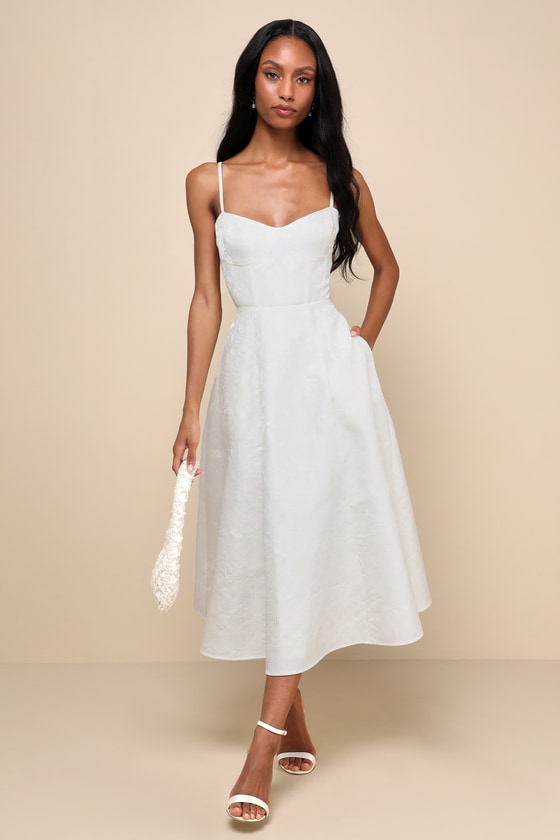
- Meet for Tea White Jacquard Bustier Midi Dress (structured midi)
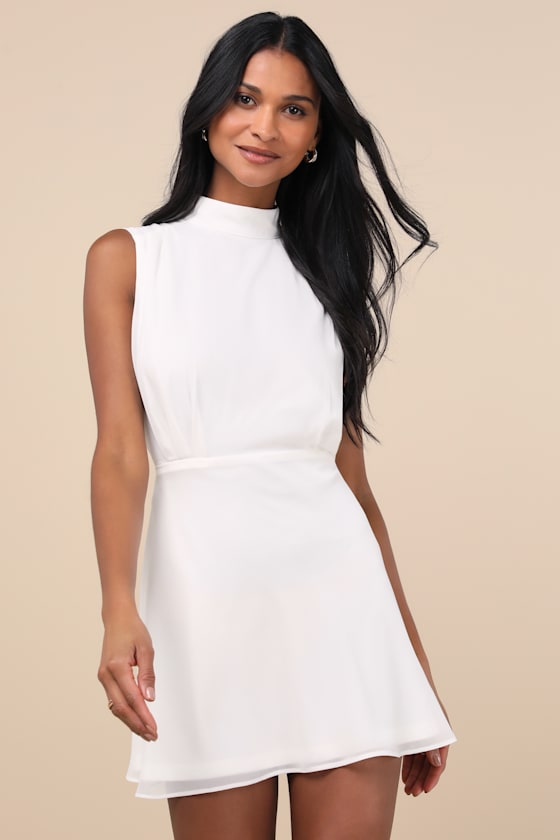
- Classic Elegance White Chiffon Sleeveless Mock Neck Mini Dress (elegant mini)
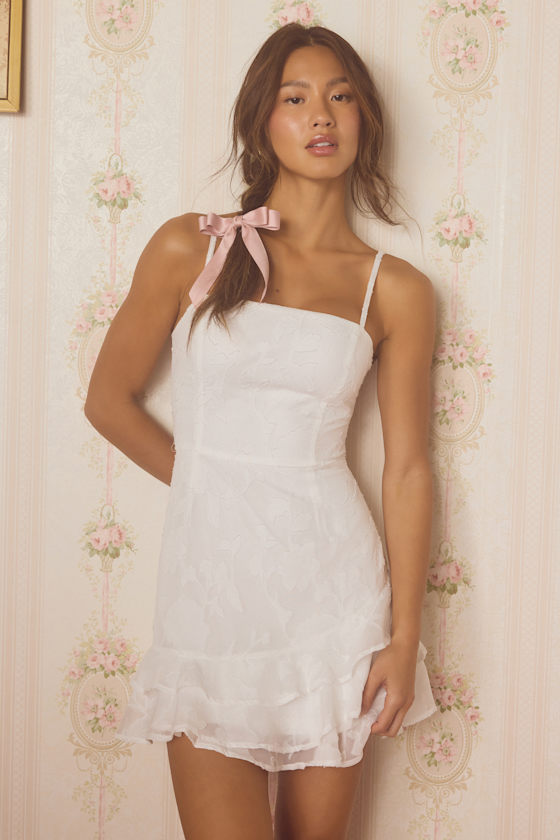
- Days With You White Floral Burnout Ruffled Mini Dress (casual mini)
By the end, you’ll know exactly which one belongs in your wardrobe.
Understanding the Difference Between Mini and Midi Dresses
Before diving into styling, it helps to define what separates these two categories.
Mini dresses typically fall above the knee, often mid-thigh. They create a youthful, playful silhouette and draw attention to the legs. Midi dresses, on the other hand, fall below the knee and above the ankle, offering a more refined and balanced look.
This difference in length affects not just appearance, but also how a dress performs in real-life situations—movement, comfort, and formality all shift depending on where the hemline sits.
Mini dresses feel lighter, more casual, and often more versatile for daytime or relaxed settings. Midi dresses tend to feel more polished, making them ideal for formal events or structured environments.
Mini vs Midi: Which Works Best for Your Body Type?
Body type plays a major role in how a dress looks and feels. The goal isn’t to follow rigid rules but to understand how proportions interact with different lengths
Petite Frames
If you’re on the shorter side, mini dresses often work in your favor. They elongate the legs and prevent fabric from overwhelming your frame. The Classic Elegance chiffon mini dress is especially effective here, with its clean lines and lightweight drape.
That said, midi dresses can still work for petites—if they’re well-fitted. The Meet for Tea midi dress, with its structured bustier top and defined waist, helps maintain proportion and avoids looking oversized.
Tall Figures
Tall individuals can wear both mini and midi styles effortlessly. Mini dresses highlight long legs, while midi dresses enhance natural elegance.
The Days With You ruffled mini dress adds softness and movement, balancing height with a relaxed silhouette. Meanwhile, the Meet for Tea midi dress creates a striking, statuesque look that feels intentional and refined.
Curvy Body Types
For curvier figures, midi dresses often provide a flattering balance. The longer hemline smooths proportions, while a structured bodice—like the one in the Meet for Tea dress—defines the waist beautifully.
Mini dresses can still work well, especially when they offer flow or structure in the right places. The Days With You mini dress, with its ruffles and soft fabric, creates movement without clinging too tightly.
Athletic Builds
If your frame is more straight or athletic, mini dresses can add dimension and shape. The Classic Elegance mini dress introduces softness through chiffon, while the Days With You dress adds texture and visual interest.
Midi dresses, particularly structured ones, can create curves by emphasizing the waist. The Meet for Tea dress is a strong option for adding definition.
Choosing Based on Occasion
The occasion is often the deciding factor between mini and midi dresses. Even the most flattering dress won’t feel right if it doesn’t match the setting.
Formal Events and Celebrations
Midi dresses dominate formal settings. Their length naturally feels more sophisticated and appropriate for events like weddings, bridal showers, or upscale dinners.
The Meet for Tea white jacquard midi dress is ideal here. Its structured silhouette, textured fabric, and elegant length make it a standout choice for occasions where polish matters.
Cocktail Parties and Evening Outings
Mini dresses can absolutely work for evening events—especially when designed with elegance in mind.
The Classic Elegance chiffon mini dress strikes the perfect balance. Its high neckline and airy fabric keep it refined, while the shorter length adds a modern edge.
Daytime Events and Casual Outings
For brunch, vacations, or casual gatherings, mini dresses are often the easiest choice. They feel effortless, breathable, and easy to style.
The Days With You floral burnout mini dress is perfect for these moments. Its relaxed fit and soft texture make it ideal for warm-weather days and laid-back settings.
Transitional Occasions
Some events fall somewhere in between—think date nights, semi-formal dinners, or outdoor parties.
In these cases, either length can work. The key is styling. A mini dress paired with heels and structured accessories can feel elevated, while a midi dress styled with sandals can feel more relaxed.
Structured vs Flowy Fabrics: What to Choose
Length is only part of the equation. Fabric plays an equally important role in how a dress looks and feels.
Structured Fabrics for Definition
Structured dresses hold their shape, creating a more tailored appearance. They’re ideal for formal settings and for anyone who wants a defined silhouette.
The Meet for Tea midi dress is a perfect example. Its jacquard fabric and bustier design create clean lines and emphasize the waist. This kind of structure adds confidence and polish, especially for important events.
Structured fabrics also tend to photograph well, making them a popular choice for occasions where you want to look your best.
Flowy Fabrics for Movement
Flowy fabrics, like chiffon or burnout blends, bring softness and ease. They move with the body, creating a relaxed and romantic feel.
The Classic Elegance mini dress uses chiffon to create a light, airy effect that feels refined without being stiff. The Days With You dress takes a more playful approach, using ruffles and texture to add movement.
Flowy fabrics are especially useful in warmer weather or for long days when comfort matters as much as style.
Matching Fabric to Function
The key is aligning fabric with purpose. Structured dresses are better for formal, controlled environments, while flowy dresses shine in casual or dynamic settings.
If you’re attending a wedding, the structure of the Meet for Tea dress will feel appropriate. If you’re heading to brunch or on vacation, the softness of the Days With You dress will feel more natural.
Styling Mini vs Midi Dresses
How you style a dress can completely change its impact.
Mini dresses pair well with:
- Sneakers or sandals for casual looks
- Heels for a more elevated feel
- Light accessories to keep the outfit balanced
The Classic Elegance mini dress works beautifully with minimalist heels and a clutch, while the Days With You dress pairs effortlessly with flat sandals and a crossbody bag.
- Midi dresses, on the other hand, benefit from:
- Heels or wedges to elongate the silhouette
- Structured bags for a polished look
Statement jewelry to complement the longer line
The Meet for Tea midi dress looks especially strong when styled with heels and clean, refined accessories.
Practical Considerations
Beyond style, there are practical factors to consider.
Mini dresses offer freedom of movement and are great for warm weather, but they may require more attention to comfort and coverage.
Midi dresses provide more coverage and often feel more secure, especially in formal or crowded settings. However, they can feel heavier or warmer depending on the fabric.
Pockets, lining, and fit also matter. A well-designed midi dress like the Meet for Tea style adds functionality without sacrificing elegance, while lightweight minis prioritize ease and wearability.
Final Verdict: Which One Should You Choose?
If you’re deciding between mini and midi dresses, the answer ultimately depends on your lifestyle, preferences, and the occasions you dress for most.
Choose a midi dress if:
- You attend formal events regularly
- You prefer a polished, structured look
- You want a timeless, elegant silhouette
The Meet for Tea white jacquard midi dress is the clear winner in this category, offering sophistication and structure in one piece.
Choose an elegant mini dress if:
- You want something versatile for both day and night
- You like a clean, modern aesthetic
- You prefer lightweight fabrics with a refined feel
The Classic Elegance chiffon mini dress fits perfectly here, bridging the gap between casual and formal.
Choose a casual mini dress if:
- You prioritize comfort and ease
- You need something for daytime wear or travel
- You prefer soft, flowy designs
The Days With You floral burnout mini dress stands out as a relaxed, wearable option for everyday style.
Conclusion
Mini vs midi isn’t about which is better—it’s about which works better for you. Each length offers distinct advantages, and the best wardrobes often include both.
With the right selection from Lulus, you don’t have to choose just one. A structured midi for formal moments, an elegant mini for evenings, and a casual mini for everyday wear create a well-rounded collection that covers every scenario.
The real key is understanding how length, fabric, and fit come together. Once you do, choosing the right dress becomes less about guesswork and more about intention.