How to Turn a Small Room into a Spacious Living Area: Creative Ideas That Work

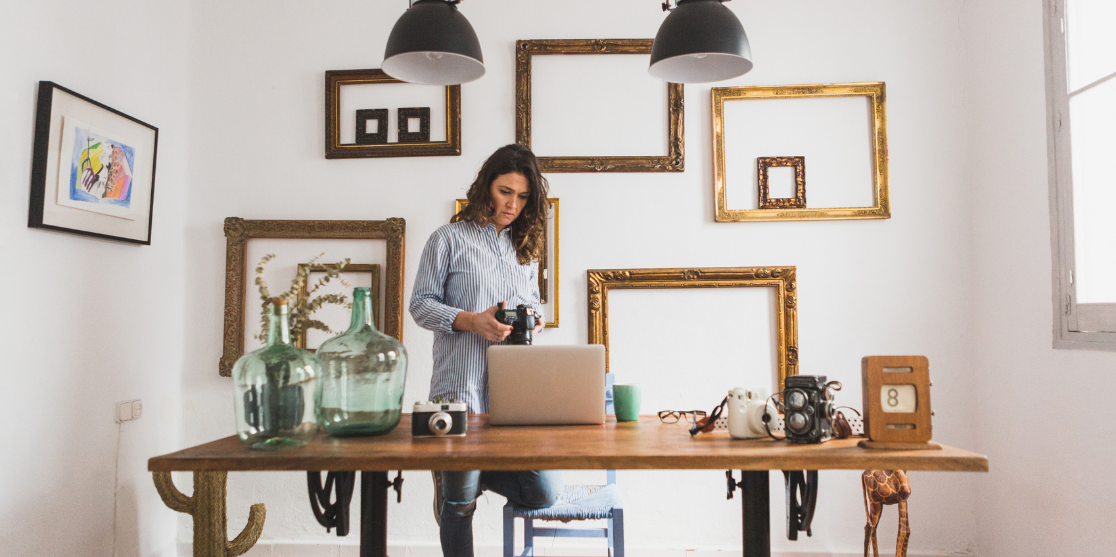
Living in a small space can be challenging, but with the right creativity and design strategies, even the tiniest room can feel open, airy, and inviting.
Living in a small space can be challenging, but with the right creativity and design strategies, even the tiniest room can feel open, airy, and inviting. Whether you’re in a compact apartment, a cozy house, or converting a spare room, there are countless ways to maximize every inch without sacrificing comfort or style. From clever furniture choices and smart layouts to light-enhancing colors and hidden storage, small-space living is all about intentional design.
In this blog, we’ll explore practical and stylish tips to help you transform any small room into a spacious, functional, and beautiful living area.
1. Start with a Clean Slate: Declutter Ruthlessly
Before you bring in anything new, take a hard look at what’s currently in the room. Clutter eats up visual space like nothing else. A small room crammed with unnecessary items instantly feels tighter and more overwhelming. Be brutally selective with what you keep. If something isn’t functional or doesn’t hold genuine meaning, it’s time to let it go. You might try the KonMari method or other minimalism strategies to help guide your decisions. By clearing out the visual noise, you’ll make room both physically and mentally to reimagine the space more effectively.
2. Choose a Light and Airy Color Palette
Light colors reflect natural light, helping the room appear larger and more open. Stick with pale neutrals such as whites, creams, soft greys, or pastel shades. Painting the walls and ceiling in the same light color can eliminate harsh boundary lines, creating a seamless and airy look. Cool tones like icy blues and gentle greens also contribute to a calm, expansive atmosphere. To add interest without disrupting flow, consider a monochromatic scheme using a variety of textures, like a plush rug, linen curtains, and soft woven cushions.
3. Maximize Natural Light
If your room has windows, take full advantage of them. Natural light has an incredible way of opening up a space. Instead of heavy curtains or dark blinds, opt for sheer drapes or roman shades that allow sunlight to filter in while still providing privacy. You can also strategically place mirrors across from windows to bounce light around the room and enhance the overall brightness. A well-placed mirror can make the room feel twice its actual size and add a touch of elegance.
4. Opt for Multi-Functional Furniture
In a small room, furniture needs to work overtime. Look for pieces that offer more than one function to make the most of every square foot. For example, ottomans with hidden storage are perfect for tucking away blankets or magazines. A sofa bed or daybed can serve both as a lounging area and a place to sleep, which is ideal for guests. Drop-leaf tables can expand when you need them and fold down when you don’t, freeing up valuable floor space. Wall-mounted desks that fold away are perfect for work-from-home setups that need to disappear by dinner.
5. Think Vertically: Use Wall Space Creatively
When you’re limited on floor space, it’s time to look up. Vertical storage and decor help draw the eye upward, which makes the room feel taller and more spacious. Floating shelves can take the place of bulky bookcases, while tall cabinets provide storage without taking up too much horizontal space. Hooks, pegboards, and wall-mounted racks offer stylish solutions for storing coats, bags, or even kitchen supplies. If your ceiling is high enough, a lofted bed can be a game-changer, freeing up room below for a desk, sofa, or reading corner.
6. Rethink Your Layout
Don’t be afraid to play around with the room’s layout. Sometimes, a small adjustment in furniture placement can dramatically improve the sense of space and flow. Consider pulling furniture away from the walls slightly to create the illusion of breathing room. In some cases, floating furniture in the center of the room can enhance the flow and function. You can also use area rugs to define different zones in an open-plan layout, creating distinct living, dining, or working areas even within a single room.
7. Keep It Low and Sleek
Low-profile furniture pieces are ideal for small rooms because they open up sightlines and reduce visual clutter. Sofas, beds, and chairs with low backs and slender legs help maintain a sense of openness. Tables made from glass or acrylic seem to “disappear” into the room, making it feel less crowded. When choosing furniture, opt for clean lines and minimal ornamentation. A streamlined aesthetic brings calmness and order, which are essential for small-space living.
8. Let Go of Oversized Pieces
Oversized furniture can overwhelm a small room and make it feel even more cramped. That massive sectional might be comfortable, but if it swallows the space, it’s doing more harm than good. Instead, choose furniture scaled appropriately for your room. Slim, compact designs often function just as well without eating up all the available space. A cozy loveseat might work better than a full-sized couch, and a small round dining table can be a better fit than a large rectangular one. Be mindful of how many pieces you include; less is more when space is limited.
9. Use Mirrors to Trick the Eye
Mirrors are a timeless interior design trick for opening up space. A large mirror can visually double the size of a room by reflecting light and creating the illusion of depth. Place a mirror opposite a window to bounce natural light across the room and enhance brightness. You can also use mirrored furniture or accessories for a subtler effect. Even a mirrored wall, when styled tastefully, can have a dramatic and stylish impact on a small space.
10. Incorporate Hidden Storage Solutions
One of the secrets to a spacious-looking room is keeping clutter out of sight. Hidden storage solutions are key. Under-bed storage bins can hold off-season clothes or linens, and coffee tables with hidden compartments keep everyday items neatly tucked away. Built-in benches, especially in entryways or under windows, offer a spot to sit while doubling as discreet storage. Wall-mounted cabinets painted the same color as the wall can blend in seamlessly while offering tons of storage space.
Small Room, Big Possibilities
Living in a small space isn’t about limiting yourself; it’s about making intentional choices that enhance your quality of life. When you focus on function, flow, and freedom from clutter, even the smallest room can feel like a welcoming retreat. Creating a spacious living area in a small room is like solving a creative puzzle. With smart design, well-chosen furniture, and thoughtful touches, you can transform your space into something beautiful, functional, and uniquely yours. Remember, it’s not about how much space you have, it’s about how well you use it.