How to Pack Light for a Week (Carry-On Only Challenge)

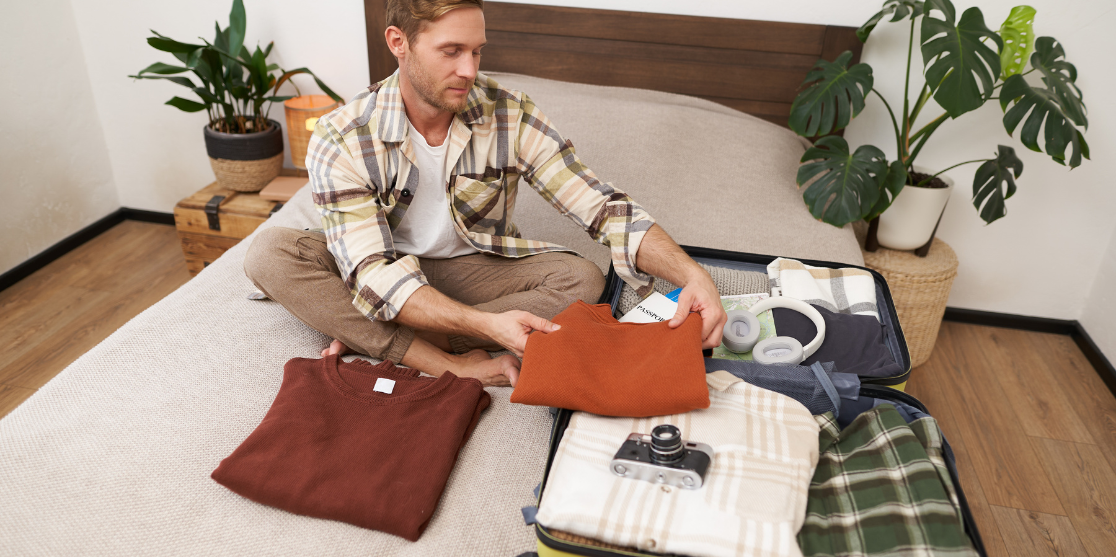
In an age of low-cost airlines, spontaneous adventures, and the desire for hassle-free travel, one skill stands out as a game-changer: packing light.
In an age of low-cost airlines, spontaneous adventures, and the desire for hassle-free travel, one skill stands out as a game-changer: packing light. The idea of traveling for a week with just a carry-on may seem intimidating, but it’s not only doable—it’s incredibly freeing. Welcome to the Carry-On Only Challenge, where every item earns its place and efficiency meets style.Whether you're a frequent flyer or gearing up for your first week-long getaway, this visual guide will walk you through the art of minimalist packing—without sacrificing comfort, style, or essentials.You’ll be surprised how little you actually need to travel comfortably and stylishly. Packing light also encourages smarter purchases and mindful travel habits. Embrace the challenge, and you might find that less truly is more on the road.
Why Go Carry-On Only?
Before diving into the how-to, let’s address the “why.”
- No Checked Bag Fees: Save money by avoiding airline baggage charges.
- Skip the Baggage Claim: Get out of the airport and into adventure faster.
- Less Stress, More Freedom: One bag means fewer decisions and easier mobility.
- Lost Luggage? Not a Chance: Everything stays with you.
Step 1: Choose the Right Carry-On
Your journey starts with the right bag. Opt for a durable, lightweight carry-on suitcase or travel backpack that fits within most airlines’ carry-on limits (22" x 14" x 9" is a common standard).
Key Features to Look For:
- Expandable compartments
- Compression straps
- Easy-access pockets for toiletries and electronics
- Smooth-rolling wheels or ergonomic straps
Visual Tip: Picture three zones in your bag—bottom (shoes), middle (clothes), and top (toiletries & tech). This keeps packing methodical and ensures everything fits.
Step 2: Follow the 5-4-3-2-1 Packing Rule
This minimalist packing formula is gold:
- 5 tops
- 4 bottoms
- 3 pairs of shoes
- 2 dresses or outerwear items
- 1 swimsuit
Customize this based on your destination and preferences. Think mix-and-match, layering-friendly, and wrinkle-resistant.
Visual Tip: Lay everything out before packing. This gives you a bird’s-eye view of your outfits and prevents overpacking.
Step 3: Choose a Neutral Color Palette
When every top pairs with every bottom, you’ve won half the battle. Stick with neutrals like black, white, navy, beige, or gray, and add a pop of color with accessories or one standout piece.
Capsule Outfit Example:
- Black leggings
- White T-shirt
- Denim button-up
- Navy trousers
- Cream sweater
- Scarf (color pop)
- Lightweight jacket
With this setup, you can create 10–12 outfit combinations from just a few pieces.
Visual Tip: Create a digital or physical style board. Apps like Stylebook or Canva make it easy to plan looks.
Step 4: Roll, Don’t Fold
Rolling clothes not only saves space but also reduces wrinkles. Use the ranger roll method for shirts and pants—tight and compact.
- Pro Move: Use packing cubes to keep categories separated—tops in one cube, bottoms in another, undergarments in a third.
- Visual Tip: See the difference: a rolled set of clothes vs. a folded pile. Rolled clothes often take 30–40% less space.
Step 5: Wear Bulky Items on the Plane
Maximize your carry-on space by wearing your heaviest shoes and jacket while traveling. This strategy gives you more room for essentials inside your bag.
Example Travel Outfit:
- Jeans or leggings
- T-shirt + sweater
- Sneakers or boots
- Jacket or cardigan
- Crossbody with passport, wallet, and phone
Visual Tip: Style your travel outfit with layers that can be added or removed mid-flight for comfort and versatility.
Step 6: Miniaturize Your Toiletries
Invest in reusable travel-sized containers and decant your favorite products. Remember the TSA rule: 3.4 oz (100 ml) max per container in a clear quart-sized bag.
Essentials Checklist:
- Toothbrush + paste
- Shampoo & conditioner
- Face wash + moisturizer
- Sunscreen
- Razor
- Minimal makeup (BB cream, mascara, lip balm)
Pro tip: Swap liquids for solids where possible (e.g., shampoo bars, solid deodorant).
Visual Tip: A before-and-after shot of full-sized bottles vs. minis shows how much space you can save.
Step 7: Curate Your Tech & Travel Tools
Only pack what you’ll truly use. That means leaving the “just in case” gadgets behind.
Smart Packing Includes:
- Phone & charger
- Universal adapter
- Kindle or e-reader
- Small power bank
- Headphones
- Travel-size laundry detergent (optional)
Visual Tip: Lay all tech items flat, photograph, and use that photo to ensure nothing is forgotten when packing to return home.
Step 8: Don’t Forget the Personal Item
Most airlines allow a personal item like a backpack or tote in addition to your carry-on. Use it wisely.
Great for:
- Travel documents
- Snacks
- Water bottle
- Eye mask & earplugs
- A scarf or wrap (doubles as a blanket)
- Day bag or foldable tote
Visual Tip: Use a grid-style packing layout for your personal item—organized by type and frequency of use.
Bonus Tips: Light Packing Hacks
- Use a packing checklist – Keeps you from overpacking or forgetting essentials.
- Limit jewelry and accessories – Choose versatile pieces that work with all outfits.
- Bring a laundry bag – Keeps dirty clothes separate and organized.
- Do laundry halfway – A quick hotel sink rinse can refresh your wardrobe.
- Use multi-use items – A sarong can be a towel, blanket, dress, or beach mat.
The Minimalist Mindset
Packing light isn’t just about space; it’s about freedom. You move faster, think less, and focus more on experiences than stuff. With one thoughtfully packed bag, you’ll feel empowered to say yes to detours, spontaneous plans, and adventures off the beaten path.
The Carry-On Only Challenge isn’t about deprivation—it’s about intention. With the right mindset and tools, you can pack everything you need for a week in one small bag. Try it once, and you may never go back to bulky suitcases again.Each trip you take will refine your packing skills and help you identify your true travel essentials.You’ll learn which fabrics travel well, what items pull double duty, and what you never end up using.Minimalist packing is also kinder to your body—lighter bags mean less strain and more ease in transit.It fosters adaptability, making it easier to switch destinations, climates, or activities on the fly.Over time, this approach reduces decision fatigue, letting you focus on the journey rather than logistics.You’ll start appreciating quality over quantity and pieces that work harder for you.Ultimately, packing light turns travel into a smoother, more liberating experience.