Common GLP‑1 Mistakes to Avoid (And How to Stay on Track)

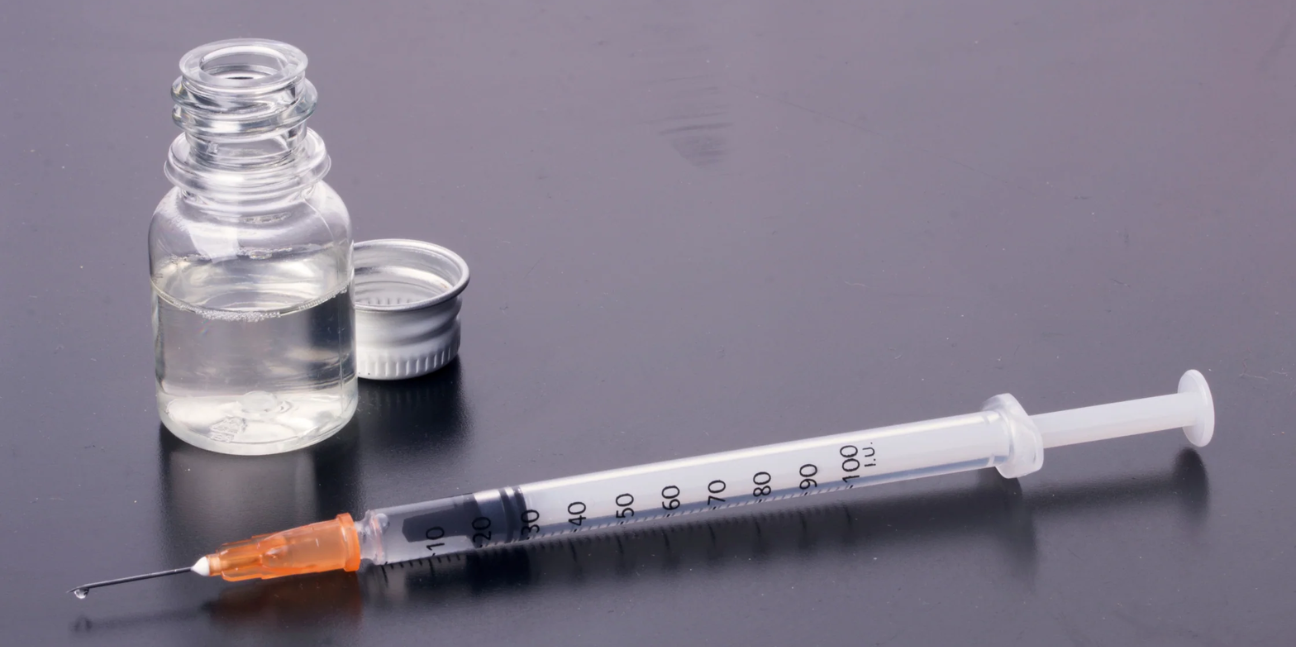
GLP‑1 medications, such as semaglutide and tirzepatide, have become powerful tools in medical weight‑management programs.
GLP‑1 medications, such as semaglutide and tirzepatide, have become powerful tools in medical weight‑management programs. When used correctly, they can help regulate appetite, control cravings, and support steady weight loss. However, many users make avoidable mistakes that hinder results or cause discomfort. Understanding these common pitfalls and learning how to stay on track can maximize the benefits of GLP‑1 therapy.
Understanding GLP‑1 Medications
GLP‑1 (glucagon‑like peptide‑1) receptor agonists are prescription medications designed to help manage body weight by influencing appetite and insulin regulation. These medications mimic the naturally occurring GLP‑1 hormone, which signals the brain to feel full, slows gastric emptying, and reduces overall calorie intake.
While highly effective, GLP‑1 medications are not magic pills. Optimal results require careful attention to dosing, nutrition, lifestyle habits, and the management of side effects. Recognizing common mistakes early can prevent setbacks and enhance long-term success.
Mistake 1: Skipping Doses or Irregular Use
Consistency is crucial when using GLP‑1 medications. Skipping doses or taking medications at irregular times can reduce effectiveness and may increase side effects when doses are resumed.
How to Stay on Track
- Set a daily reminder on your phone or calendar to ensure you take your medication at the same time each day.
- If you miss a dose, follow your prescriber’s instructions rather than doubling up the next day.
- Keep your medication in a visible and accessible location to build a consistent routine.
Mistake 2: Ignoring Proper Titration
Many GLP‑1 medications require gradual dose increases to minimize gastrointestinal side effects like nausea, vomiting, or bloating. Jumping to higher doses too quickly is a common mistake.
How to Stay on Track
- Follow your provider’s titration schedule strictly.
- Start with the lowest dose, allowing your body to adapt before increasing.
- Report persistent side effects to your provider; sometimes a slower titration is necessary.
Mistake 3: Expecting Immediate Weight Loss
GLP‑1 medications do not produce instant results. Some users become discouraged if weight loss is slow during the first few weeks.
How to Stay on Track
- Set realistic expectations: most patients see gradual weight loss over several months.
- Track progress with weekly measurements rather than daily weigh-ins to avoid unnecessary stress.
- Celebrate non-scale victories, such as improved energy, reduced cravings, or better blood sugar control.
Mistake 4: Not Adjusting Lifestyle Habits
Some users rely solely on the medication, neglecting diet, hydration, and exercise. While GLP‑1 therapy supports weight loss, lifestyle adjustments remain essential for optimal results.
How to Stay on Track
- Focus on a balanced, nutrient-rich diet with adequate protein and fiber.
- Incorporate regular physical activity, even light daily walking, to enhance metabolic health.
- Ensure proper sleep and stress management, as poor habits can counteract medication benefits.
Mistake 5: Overeating or Eating High-Calorie Foods
Because GLP‑1 medications reduce appetite, some users assume they can eat freely. Consuming excessive calories, especially from processed foods, can slow progress.
How to Stay on Track
- Plan meals around whole, minimally processed foods.
- Use smaller plates and mindful eating techniques to avoid unintentional overeating.
- Keep healthy snacks on hand to prevent turning to high-calorie options during cravings.
Mistake 6: Not Managing Cravings Effectively
GLP‑1 medications can reduce appetite, but cravings may still occur, particularly in the early weeks. Ignoring them can lead to overeating.
How to Stay on Track
- Identify triggers for cravings, such as stress, boredom, or social events.
- Use strategies like drinking water, consuming protein-rich snacks, or engaging in physical activity to manage cravings.
- Keep a food journal to monitor patterns and develop healthier responses.
Mistake 7: Mismanaging Side Effects
Common side effects of GLP‑1 medications include nausea, diarrhea, constipation, and mild abdominal discomfort. Trying to “push through” without adjustments can worsen the experience.
How to Stay on Track
- Take your medication with a small meal or as directed by your provider.
- Avoid large, fatty, or highly processed meals during dose escalation.
- Report persistent or severe side effects to your healthcare provider promptly.
Mistake 8: Lack of Hydration
Dehydration can exacerbate gastrointestinal side effects and reduce overall well-being during GLP‑1 therapy.
How to Stay on Track
- Drink adequate water throughout the day, aiming for at least 6–8 glasses.
- Limit sugary beverages and alcohol, which can interfere with appetite regulation.
- Include water-rich foods like fruits and vegetables to support hydration.
Mistake 9: Neglecting Mental Health
Weight management is as much psychological as physical. Stress, anxiety, or emotional eating can hinder the effectiveness of GLP‑1 therapy.
How to Stay on Track
- Engage in stress-reducing activities like meditation, journaling, or yoga.
- Seek support from a counselor or support group if emotional eating is a concern.
- Celebrate progress without judgment to maintain motivation.
Mistake 10: Giving Up Too Soon
Weight loss with GLP‑1 therapy takes time. Many users abandon the program prematurely, expecting rapid transformations.
How to Stay on Track
- Commit to a long-term mindset, focusing on sustainable lifestyle changes.
- Monitor health markers beyond weight, such as blood sugar, cholesterol, and energy levels.
- Regularly communicate with your healthcare provider to adjust your plan and overcome obstacles.
Bonus Tips for Maximizing GLP‑1 Success
- Meal Planning: Structure meals to include protein, fiber, and healthy fats to prolong satiety.
- Regular Check-Ins: Schedule follow-ups with your provider to track progress and adjust dosages.
- Education: Stay informed about GLP‑1 medications, side effects, and emerging research.
- Community Support: Engage in online or local weight-loss communities to share experiences and tips.
GLP‑1 medications are effective tools for weight management when used correctly, but common mistakes can limit their impact. Skipping doses, rushing titration, neglecting lifestyle habits, overeating, and ignoring side effects are all pitfalls that can be avoided with mindful planning. By setting realistic expectations, managing cravings, maintaining hydration, and prioritizing mental health, users can stay on track and achieve sustainable results.
Understanding these mistakes and taking proactive steps to avoid them can turn GLP‑1 therapy into a successful, long-term strategy for weight loss and overall wellness. Consistency, patience, and collaboration with healthcare providers remain the keys to success.