Best Training Shoes for Serious Workouts

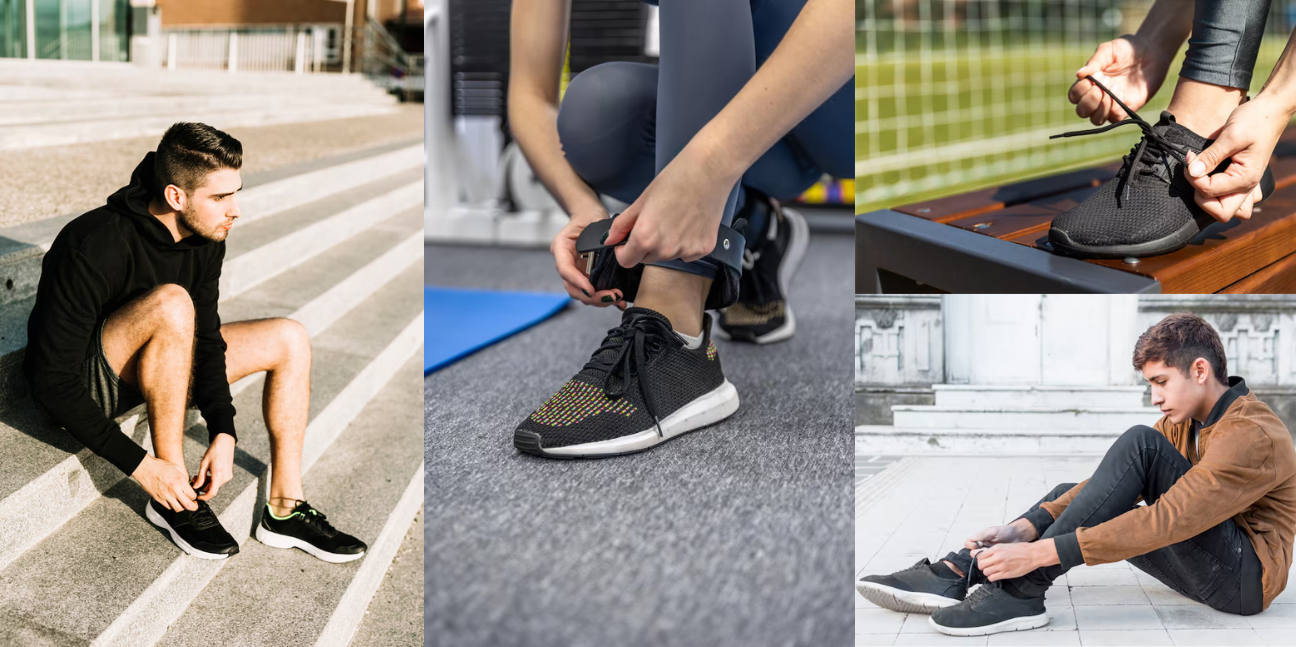
Most gym shoes fail when your workouts demand more than basic movement. You step into a session expecting support, yet ordinary sneakers often lack the stability, grip, and durability needed for intense training.
Most gym shoes fail when your workouts demand more than basic movement. You step into a session expecting support, yet ordinary sneakers often lack the stability, grip, and durability needed for intense training. Whether you push through heavy lifts, fast-paced circuits, or high-impact sessions, your footwear directly affects performance, balance, and even injury risk.
That’s where purpose-built training shoes make a difference. Brands like NOBULL focus on creating footwear designed specifically for demanding training environments. Instead of unnecessary features, their approach centers on durability, functionality, and performance under pressure.
When you choose the right pair, you notice better control, stronger footing, and more confidence in every movement. The challenge lies in understanding which type suits your training style.
This guide breaks down the difference between cross training shoes and strength training shoes, helping you choose what aligns with your routine while improving your results inside the gym.
Why Training Shoes Matter?
You might assume any athletic shoe works for the gym, but training demands vary significantly. Running shoes, for example, prioritize cushioning and forward motion, while training requires multi-directional support and stability.
When your footwear does not match your workout, performance suffers. Your feet may shift during lifts, your grip may weaken during fast transitions, and your balance may feel unstable under load.
Training shoes address these issues by focusing on three essential elements:
- Stability: A secure base helps you maintain proper form, especially during lifts
- Grip: Strong traction prevents slipping during dynamic movements
- Durability: Materials withstand friction, impact, and repeated stress
Training shoes act as your foundation. Whether you perform HIIT sessions, CrossFit-style workouts, or strength-focused routines, your shoes influence how efficiently you move.
When your footwear supports your training style, you experience improved control, reduced risk of injury, and better overall performance.
Cross Training Shoes
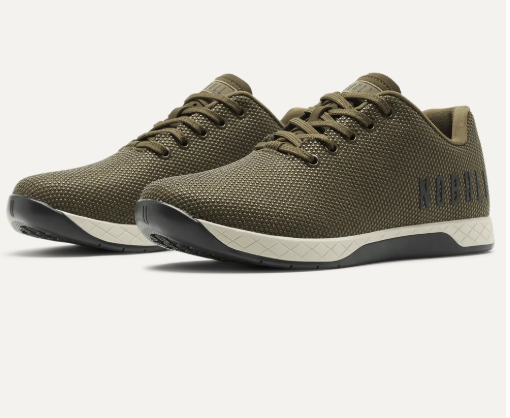
When your workouts include a mix of movements, cross training shoes become essential. These shoes are designed for versatility, allowing you to transition smoothly between exercises without changing footwear.
You can view the full range through the men’s cross training shoe collection offered by NOBULL, where the focus remains on durability and performance across varied training styles.
What Are Cross Training Shoes?
Cross training shoes support multi-directional movement. Instead of focusing on a single activity, they adapt to varied exercises within one session.
If your routine includes jumping, lifting, sprinting, and agility drills, this type of shoe helps you maintain consistency and control.
Key Features
- Flexible yet stable sole: Provides balance between movement and support
- Durable upper construction: Handles friction from rope work or repeated contact
- Reliable traction: Supports quick direction changes without slipping
These features allow you to move freely while maintaining control, especially during fast-paced workouts.
Best For
- HIIT sessions
- Circuit training
- CrossFit-style workouts
When your training involves constant transitions, cross training shoes keep your performance steady without compromising stability.
Strength Training Shoes
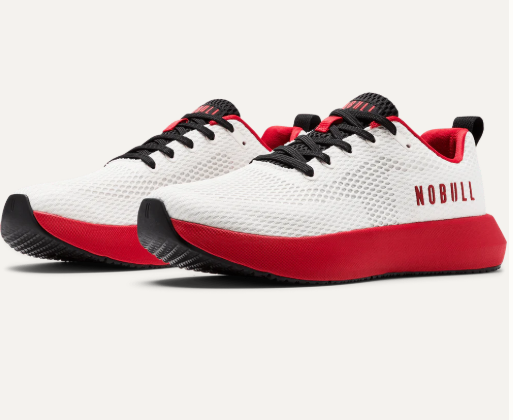
If your workouts center on lifting, your footwear needs shift toward stability rather than flexibility. Strength training shoes focus on creating a firm, grounded base for controlled movement.
The men’s strength training shoe collection from NOBULL reflects this purpose by emphasizing structure, balance, and minimal interference during heavy lifts.
What Are Strength Training Shoes?
Strength training shoes are built specifically for lifting weights. They reduce unnecessary cushioning and prioritize direct contact with the ground, helping you generate power more effectively.
Key Features
- Flat, low-drop sole: Keeps your foot close to the ground
- Maximum ground contact: Improves balance and control
- High stability structure: Supports heavy loads without shifting
These elements create a solid base, allowing you to focus on form and strength rather than adjusting your footing.
Best For
- Squats
- Deadlifts
- Powerlifting movements
When your goal involves lifting heavier weights, stability becomes your biggest advantage, and these shoes support that need.
Cross Training vs Strength Training Shoes
Understanding the difference between these two categories helps you make a more effective choice.
Cross training shoes allow you to move in multiple directions, making them ideal for varied routines. Strength training shoes focus on keeping you grounded, which improves lifting performance.
If your workouts include both styles, your choice depends on which activity dominates your routine.
How to Choose the Right Training Shoe?
Choosing the right shoe depends entirely on how you train.
- If your routine includes varied exercises like jumping, running, and lifting, cross training shoes provide the flexibility you need
- If your focus remains on lifting heavier weights with controlled movements, strength training shoes offer better support
When your workouts fall somewhere in between, a versatile option often works best. Cross training shoes can handle moderate lifting while still supporting dynamic movement.
Pay attention to how your body responds during workouts. If you feel unstable during lifts, you may need more structure. If your movement feels restricted during circuits, you may need more flexibility.
Your shoes should support your training, not limit it.
Why Minimalist, Durable Shoes Win?
Training environments demand footwear that can handle stress without unnecessary complexity. Minimalist design does not mean less performance; it often means fewer distractions.
Brands like NOBULL focus on creating shoes that prioritize function over excess features. Their approach centers on:
- Durable materials that withstand repeated use
- Simple construction that reduces distractions
- Performance-driven design built for real workouts
When your shoes avoid unnecessary elements, you experience better connection with your movements. You rely less on technology and more on your own strength and control.
Final Thoughts on Choosing the Right Training Shoe
Your training results depend on more than effort alone. The equipment you use plays a direct role in how effectively you perform. Shoes, in particular, influence your stability, movement, and overall confidence during workouts.
Cross training shoes support versatility, helping you move efficiently through varied routines. Strength training shoes provide a stable base, allowing you to focus on lifting with precision and control.
When you match your footwear to your training style, you create a stronger foundation for progress. Whether your focus lies in dynamic workouts or controlled lifts, choosing the right shoe supports every step you take inside the gym.
Take time to assess your routine, understand your needs, and select footwear that aligns with your goals. The right choice from NOBULL will not only improve performance but also make every workout feel more controlled and effective.
Choose the best training shoes for gym workouts. Learn cross training vs strength shoes with insights from NOBULL for better performance.